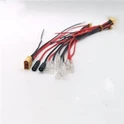
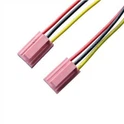
Essential Tools and Techniques for Wire Harness Assembly
Wire harnesses are an essential component of modern electronics and machinery, enabling the transmission of power and data between various components. However, creating these complex, multilayered structures requires specialized tools and techniques. In this article, we'll explore the essential tools and techniques for wire harness assembly, including everything from crimping tools and wire strippers to software and automation.
Wire Strippers
Wire strippers are a vital tool for any wire harness assembly process, as they allow workers to strip away the insulation from the wire, exposing the conductor beneath. This enables the wire to be connected to other components, either through soldering or crimping. There are many different types of wire strippers, from manual tools to automated machines, each with their unique benefits and drawbacks.
Crimping Tools
Crimping tools are another crucial component of wire harness assembly, enabling workers to securely connect wires to connectors and terminals. These tools come in many different sizes and shapes, from manual hand-crimpers to automated hydraulic machines. When selecting a crimping tool, it's important to consider the size of the wire being used, as well as the type of connector or terminal being attached.
Soldering Irons
Soldering irons are another essential tool for wire harness assembly, as they enable workers to create strong, permanent connections between wires and components. Soldering requires a steady hand and careful attention to detail, as overheating the wire can cause damage or create weak connections. In addition to traditional soldering irons, there are also many specialized soldering tools available, including soldering stations and hot air rework tools.
Wire Management Tools
Wire management tools, such as zip ties, tape, and cable clamps, are essential for creating organized, efficient wire harnesses. These tools help keep wires neatly bundled and secure, preventing them from becoming tangled or damaged during operation. In addition to physical management tools, there are also many software solutions available, including CAD software and wire harness design tools.
Automation
Automation is becoming an increasingly important tool in wire harness assembly, as it enables companies to produce large quantities of complex harnesses with speed and accuracy. Automated harness assembly machines can crimp, strip, and connect wires at a rapid pace, using specialized software and sensors to ensure accuracy and quality control. While automation can be expensive to implement, it can reduce production time and costs significantly over the long term.
In conclusion, wire harness assembly requires a wide variety of tools and techniques, from manual wire strippers and crimping tools to sophisticated software and automation. By investing in the essential tools for wire harness assembly, companies can create high-quality, reliable harnesses that meet the needs of their customers and stand up to the most demanding environments. So whether you're a small business or a large manufacturer, be sure to invest in the tools and techniques that will help take your wire harness assembly process to the next level.