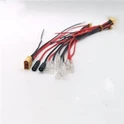
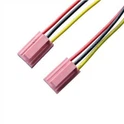
Best Practices for Testing and Quality Control of Wire Harnesses
Wire harnesses play a crucial role in the function of many machines and devices. Given their importance, it is essential to ensure that they are of high quality and functioning properly. This is where testing and quality control come in.
1. Establish Test Criteria
Before beginning the testing process, it is important to establish test criteria. The criteria should be based on the specifications and requirements of the wire harness. This will ensure that all aspects of the wire harness are tested for quality and functionality.
2. Use Appropriate Testing Equipment
The right testing equipment is crucial for effective testing and quality control. It is important to select equipment that is accurate and reliable. This will help in the detection of any potential faults or defects in the wire harness.
3. Conduct Visual Inspections
In addition to using testing equipment, visual inspections can be conducted. Visual inspections are an effective way of detecting any visual defects in the wire harness. It is especially important to conduct visual inspections of critical areas in the harness, such as the connectors.
4. Check for Proper Installation
Proper installation of the wire harness is crucial for its functionality and durability. Testing should also include checking the installation process. It is important to ensure that the wire harness is installed properly and according to the specifications and requirements.
5. Focus on End-User Requirements
The ultimate goal of wire harness testing and quality control is to ensure that the end-user requirements are met. It is important to focus on the end-user requirements and ensure that the wire harness performs as expected.
6. Monitor Performance and Feedback
Once the wire harness is installed, it is important to monitor its performance and gather feedback from end-users. This will provide valuable information on how the wire harness is performing. Any issues or problems that arise can be addressed promptly, ensuring that the wire harness continues to meet the end-user requirements.
In conclusion, wire harnesses are crucial components in machines and devices. Effective testing and quality control are essential to ensuring that they function correctly and meet end-user requirements. By following the best practices discussed above, manufacturers can ensure that their wire harnesses are of high quality and functioning properly.