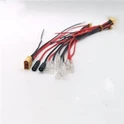
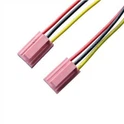
When it comes to creating wire harnesses, it's important to follow the Basic Principles of Wire Harness Design and Assembly. These principles ensure that your wire harnesses meet industry standards and are optimized for functionality and durability.
One of the most important principles is to choose the right components for your wire harness. This includes selecting appropriate wire types, connectors, and terminals. It's important to consider the environment in which the wire harness will be used and select components that can withstand those conditions.
Another key principle is to use proper assembly techniques. This includes using appropriate tools and equipment to strip and crimp wires, as well as ensuring that wires are routed neatly and secured properly. Proper assembly techniques can help prevent wire damage and ensure reliable electrical connections.
Additionally, it's important to test wire harnesses thoroughly before installation. This includes conducting continuity tests to ensure that all connections are properly made and no wires are damaged. It's also important to test wire harnesses under load to ensure that they can handle the current and voltage levels required.
Another key principle of wire harness design and assembly is to use labeling and documentation to ensure that wires can be identified and traced easily. This helps to prevent wiring errors and makes maintenance and repairs easier in the future.
By following these Basic Principles of Wire Harness Design and Assembly, you can ensure that your wire harnesses are designed and assembled to meet industry standards and are optimized for reliability and longevity. If you need assistance with designing or assembling wire harnesses, contact a professional wire harness manufacturer to help you ensure that you get the best possible results.